When you step into a flea market, you're stepping into a world filled with potential for budget-friendly vintage decor finds that can transform your home. You'll discover everything from rustic wooden crates to unique textiles that tell a story, all while keeping your wallet intact. With a few smart strategies, such as arriving early and knowing how to negotiate, you can uncover hidden gems. But what if you also learned creative ways to repurpose these treasures into stunning focal points? The possibilities might just surprise you.
Key Elements
- Start your search early at local flea markets to uncover unique vintage decor pieces before they get picked over.
- Bring cash in small bills; many vendors prefer cash transactions, which can also help with negotiating lower prices.
- Familiarize yourself with the average market values of vintage items to empower your negotiating skills and ensure budget-friendly purchases.
- Look for versatile items like vintage suitcases or wooden crates that can be repurposed for functional decor in your home.
- Focus on smaller decor items, such as vintage glass bottles or textiles, which can add charm without breaking the bank.
Best Types of Vintage Decor
When it comes to vintage decor, several styles stand out for their charm and versatility. Mid-century modern, with its clean lines and functional design, evokes a sense of nostalgia while seamlessly fitting into contemporary spaces.
You'll find iconic pieces like Eames chairs and teak furniture that not only serve as conversation starters but also enhance your living environment.
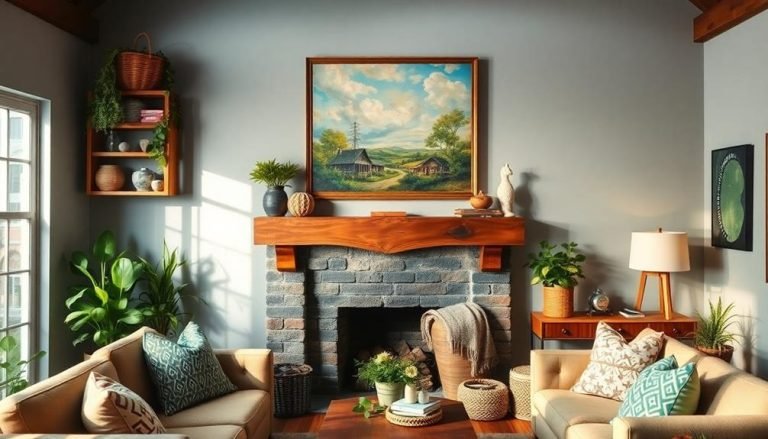
Another inviting option is farmhouse decor, characterized by its rustic appeal and warmth. Incorporating elements like weathered wood, vintage signs, and soft textiles can create a cozy atmosphere that feels both lived-in and welcoming.
This style often encourages a sense of community, as it draws on traditions that many can relate to.
Shabby chic also deserves mention, blending elegance with a touch of imperfection. Soft colors, floral patterns, and distressed finishes can evoke a sense of romance, making your space feel inviting and personal.
Lastly, art deco offers glamour and sophistication, with its bold geometric patterns and rich materials.
Incorporating elements such as mirrored furniture or vintage lighting fixtures can instantly elevate your decor, allowing you to express your unique style and foster a sense of belonging in your home.
Tips for Successful Flea Market Shopping
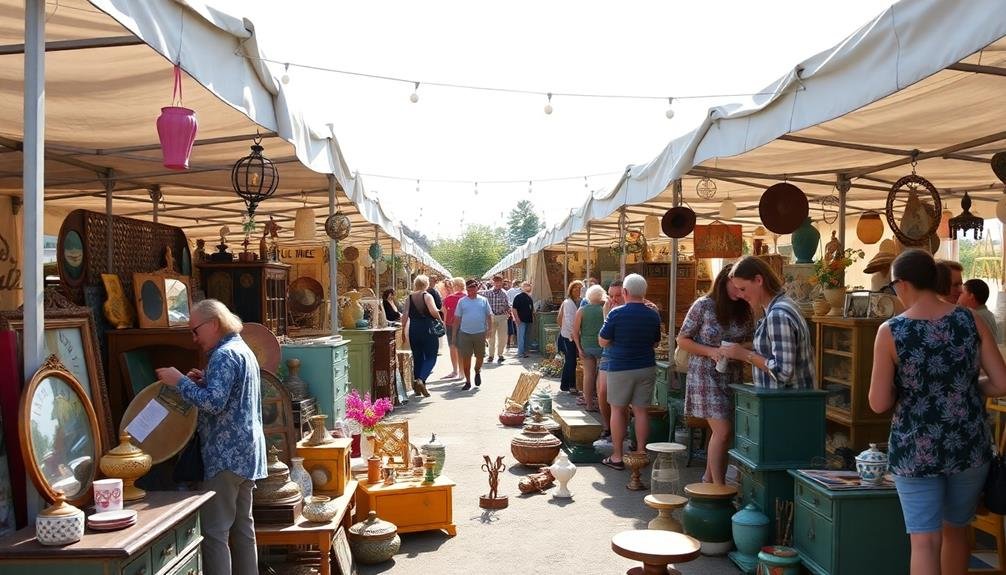
To score the best vintage finds at a flea market, it's essential to go in with a game plan. Start by researching local flea markets and their schedules. Arrive early to explore before the crowds, giving you a chance to snag unique pieces. Wear comfortable shoes; you'll be doing a lot of walking. Bring cash, as some vendors may not accept cards, and set a budget to avoid overspending.
Here's a handy checklist to prepare for your visit:
| What to Bring | What to Look For | What to Avoid |
|---|---|---|
| Cash (small bills) | Authentic vintage items | Overly modern pieces |
| Comfortable shoes | Unique decor pieces | Damaged goods |
| Tote or bag | Quality over quantity | Impulse buys |
| Water bottle | Items with character | Faux vintage replicas |
| Measuring tape | Seasonal decor | Items without a purpose |
Having a clear mindset helps you stay focused on your vintage goals. Remember, the journey is just as important as the destination; enjoy the hunt, engage with vendors, and appreciate the community atmosphere. Happy hunting!
How to Negotiate Prices
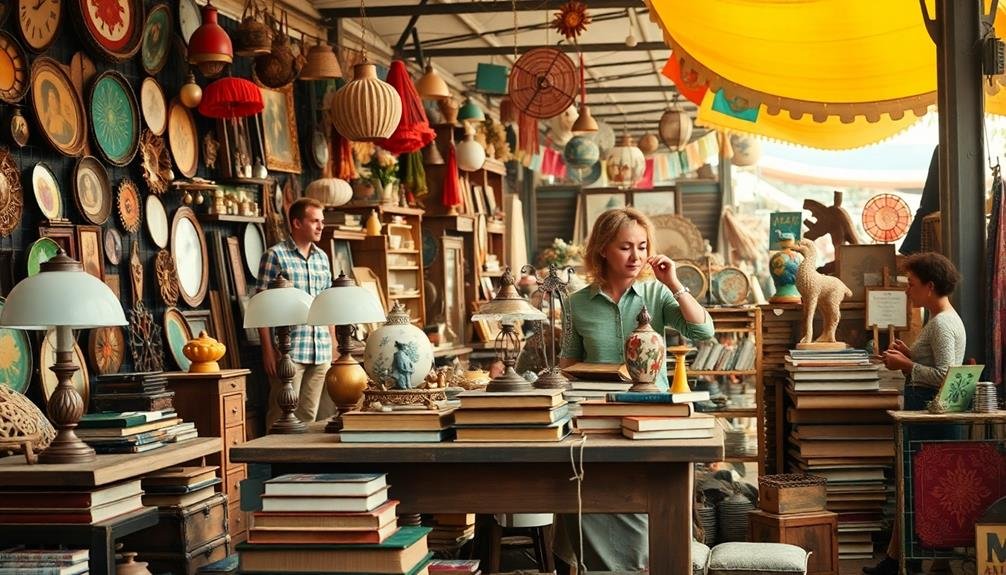
Although negotiating prices can feel intimidating, it's an essential skill for snagging great deals at flea markets. To start, familiarize yourself with the items you're interested in; knowing the average market value can empower you during discussions.
Consider integrating tips from budgeting and planning for decor projects to guarantee you're well-prepared. Approach the vendor with a friendly demeanor, as establishing rapport can facilitate a more open dialogue.
When you're ready to negotiate, don't hesitate to express genuine interest in the item, but also mention any flaws or imperfections that could justify a lower price. For instance, if you spot a vintage lamp with a small chip, point it out and suggest a price that reflects its condition.
It's often advantageous to start with a lower offer, as this gives you room to maneuver. Be prepared for a counteroffer; the goal is to find a middle ground that satisfies both you and the seller.
If the vendor seems reluctant, consider adding value by purchasing multiple items. This strategy can create a compelling case for a discount. Finally, if you feel the price is still too high, don't hesitate to walk away—there are always more treasures waiting to be discovered.
Creative Ways to Use Vintage Finds
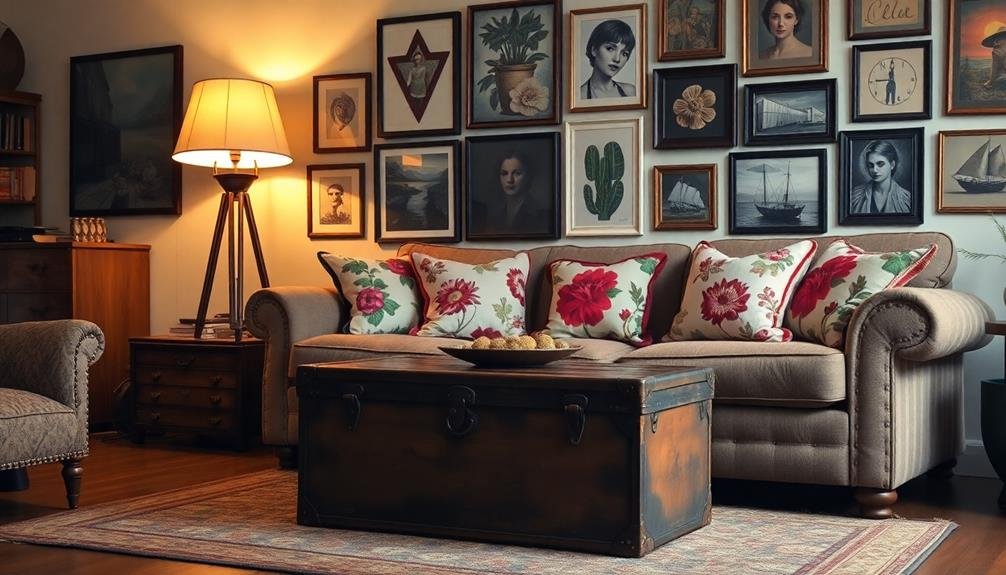
After successfully negotiating a great price on vintage finds, it's time to release your creativity and give those treasures a new life in your home.
Consider transforming vintage suitcases into chic side tables; stack them up in your living room to create a unique focal point while providing functional storage for blankets or books.
Alternatively, if you've acquired old wooden crates, they can be repurposed as rustic shelving units, displaying your favorite books or plants while adding a touch of nostalgia.
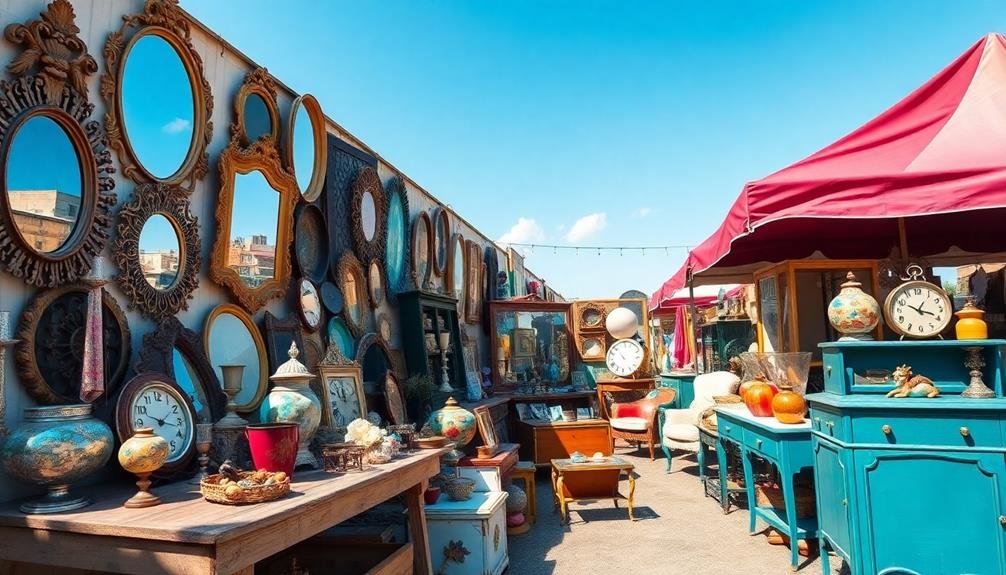
Another inspiring method is to use vintage mirrors, which can reflect light and enhance the sense of space in any room.
Hang a collection of mismatched mirrors in a gallery style, creating an artistic statement that invites conversation.
You might also explore using vintage textiles—think embroidered tablecloths or colorful quilts—as wall hangings or table runners, inviting warmth and character into your decor.
Lastly, vintage glass bottles can serve as delightful vases, showcasing fresh flowers or dried arrangements, offering a charming touch to your dining table or windowsill.
With these creative ideas, you can seamlessly blend your vintage finds into your home, fostering a sense of belonging and personal style.
Maintaining Your Vintage Decor
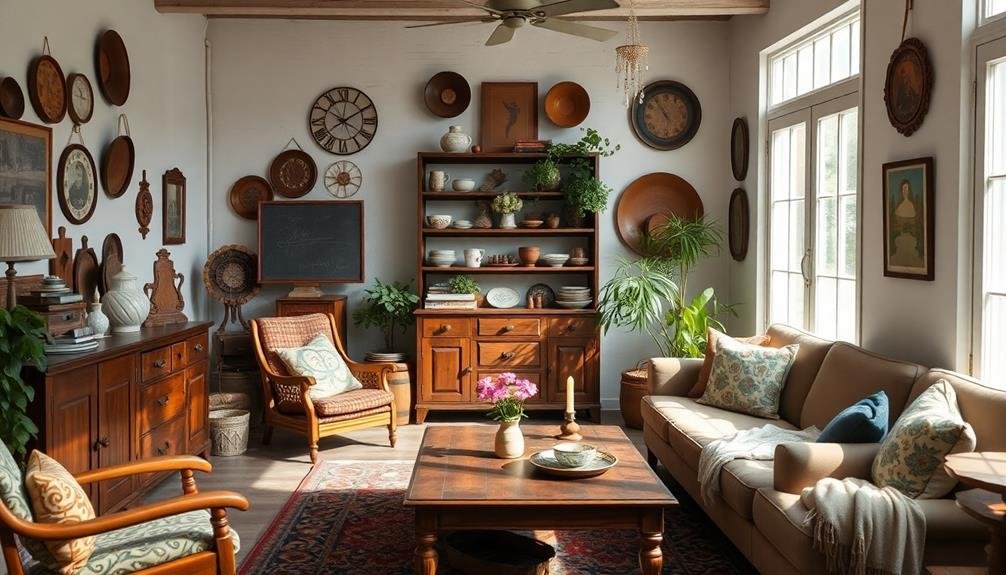
Caring for your vintage decor guarantees it retains its charm and character for years to come. Regular maintenance is essential, as many vintage pieces are delicate and may require special attention.
For instance, dust your items frequently with a soft, lint-free cloth to prevent grime build-up, which can dull their appearance. When cleaning, opt for a gentle solution, like a mix of water and vinegar, to avoid damaging fragile surfaces.
If you own wooden furniture, applying a quality furniture polish can restore luster and protect against scratches, while glass items may benefit from a specialized glass cleaner to maintain their clarity.
Additionally, consider placing your decor away from direct sunlight, as prolonged exposure can cause fading and deterioration over time.
Should you encounter minor repairs, seek out suitable adhesives for fixing broken ceramics or glass. For textiles, gentle hand-washing or dry-cleaning can extend their life.
Frequently Asked Questions
What Are the Most Popular Vintage Styles to Look For?
When searching for vintage styles, you'll love mid-century modern's clean lines, bohemian's eclectic charm, and art deco's glamour. Each style offers a unique vibe that'll help you express your personality and feel at home.
How Do I Identify Authentic Vintage Items?
How do you know if that piece truly tells a story? Look for signs of wear, unique craftsmanship, and maker's marks. Trust your instincts; authentic vintage items resonate with history and can make your space feel special.
Are There Specific Flea Markets Known for Vintage Decor?
Yes, you'll find specific flea markets renowned for vintage decor. Look for local favorites and popular events in your area; these spots often attract sellers with unique, authentic items that resonate with your style and aspirations.
Can I Find Vintage Decor Online Instead of Flea Markets?
You can definitely find vintage decor online! Websites like Etsy and eBay offer unique pieces that can add character to your space. Just browse, compare prices, and you'll discover treasures that resonate with your style.
What Tools Should I Bring for Flea Market Shopping?
As you stroll through vibrant stalls, bring a sturdy tote for treasures, a measuring tape to fit your space, and cash for quick deals. Don't forget a camera to capture your favorite finds!
Whats Next
To sum up, exploring flea markets for budget-friendly vintage decor can lead to delightful discoveries, from charming ceramics to timeless textiles. By employing strategic shopping strategies, like arriving early and engaging in effective negotiations, you can secure splendid pieces at sensible prices. Once you've curated your collection, consider creative concepts for their use, ensuring they enhance your home's aesthetic. Ultimately, with a bit of patience and persistence, you'll transform your space into a stylish sanctuary that reflects your unique taste.